Event planning

How to plan a corporate event: 9 steps from goal to wrap-up

How to plan a corporate event: 9 steps from goal to wrap-up

How to plan a corporate event for employees? 9 steps from goal and budget, through venue and programme, to promotion in the team and wrap-up. With a checklist.

How to plan a corporate event: a venue set for an evening company gala with long tables, candles and a stage

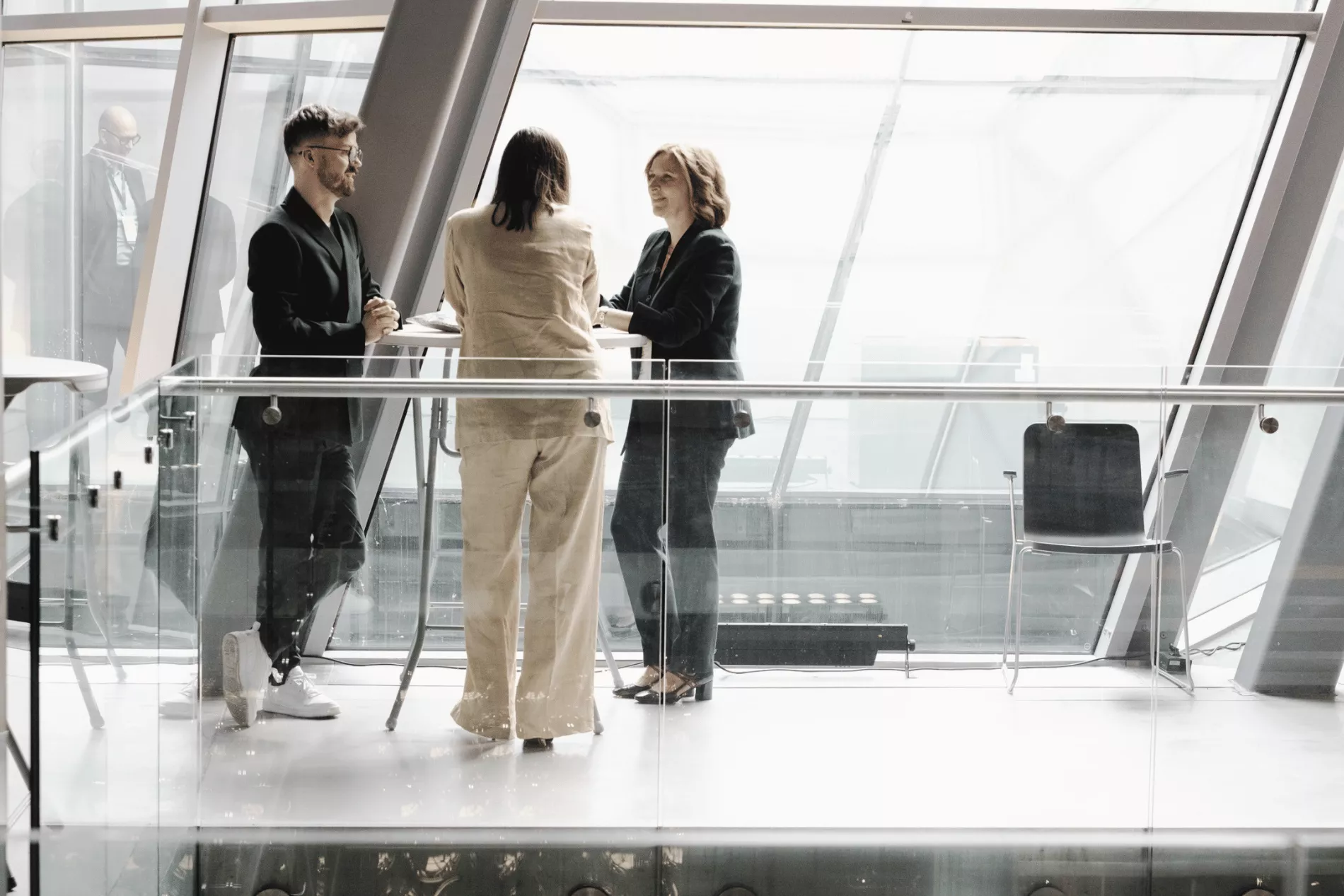
How do you plan a corporate event that employees remember as more than just another dinner at a hotel? A corporate event is one of the few moments when the whole team gets together outside day-to-day work. With hybrid work and teams spread across offices, it is sometimes the only chance for people to meet in person.

The most common mistake when organizing events for employees is starting with the venue and the attractions instead of the question of why the company is getting together at all. The second mistake is less obvious: communication to the team goes out too late and sounds like an invitation to a meeting. The result is a half-empty room, and the people who do come are not quite sure what the event is for.

In this guide I walk through the whole process the way I run it for team events: from choosing the goal, through budget, date, venue and programme, to promoting the event among employees and wrapping it up afterwards. At the end you will find dozens of corporate event ideas grouped by goal and a checklist with timelines.

How to plan a corporate event? The key steps in brief

To plan a corporate event for employees, start with the goal: team building, motivation, a year-end review, an anniversary or a celebration. Then set the budget, date and venue, prepare the programme and book suppliers. Promote the event within the team 6-8 weeks ahead, run the day according to a script, and afterwards collect feedback and settle the budget.

The whole process comes down to nine steps:

  1. Define the goal of the event and get to know your participants' profile. The goal drives every decision that follows.

  2. Set a budget with a contingency. Before you start talking to venues.

  3. Choose the date. With lead time matched to the scale and the season.

  4. Choose and check the venue. Always with a site visit before signing the contract.

  5. Prepare the programme and the run of show. An agenda for guests, a minute-by-minute script for the crew.

  6. Book suppliers and plan production. Technical equipment, catering, styling, transport, insurance.

  7. Promote the event among employees. From the save the date to the reminder the day before.

  8. Run the event according to the script. With a briefing, rehearsals and a plan B.

  9. Wrap up the event and settle the budget. Survey, settlement, lessons for the next edition.

I expand on each of these steps below.

What is a corporate event?

A corporate event is an event organized by a company for its employees with a specific goal: team building, motivation, reviewing a period, celebrating a success or marking an important occasion. It can be a dinner for a team of twenty, a team-building trip, an awards gala or a picnic for several hundred people and their families.

A well-prepared corporate event is an investment in the team, not just a party. It affects relationships between departments, engagement and the way employees talk about the company outside work. The last point is directly linked to employer branding, that is the company's image as an employer, which most organizations compete for today.

Companies in Poland organize more and more of these events. According to the Poland Convention Bureau report „Przemysł spotkań i wydarzeń w Polsce 2025” (The meetings and events industry in Poland 2025), 9,201 corporate and incentive events took place in 2024, with more than 2 million participants.

Step 1. What is the goal of your corporate event?

The goal determines the format, venue, programme, budget and the tone of communication to employees. One event can have a main goal and a secondary one (for example a year-end review combined with celebrating the results), but not five goals at once. An event that is "for everyone and about everything" usually achieves none of them.

In practice, events for employees come down to seven goals:

  • Team building: a team-building day or trip, a city game, workshops. In the programme: tasks in mixed groups. Planning: 2-3 months.

  • Motivation: an incentive trip, a team competition. In the programme: a reward linked to results. Planning: 2-6 months.

  • Entering a new stage: a kick-off, a town hall, an office opening. In the programme: a talk by the management board and time for questions. Planning: 4-6 weeks.

  • Celebrating a success: a company evening, a dinner in an unusual venue. In the programme: a thank-you and showing the people behind the success. Planning: 2-6 weeks.

  • Year-end or quarterly review: an awards gala, a meeting with an evening part. In the programme: results and the award ceremony. Planning: 3-6 months.

  • Company anniversary: an anniversary gala, a family picnic. In the programme: the company's history told by its people. Planning: 3-6 months.

  • A chosen holiday or occasion: a Christmas party, a summer party, a family picnic. In the programme: a theme that fits the occasion. Planning: 2-4 months.

Team building

A team-building event is meant to build relationships between people who usually work separately: between departments, between new joiners and long-serving staff, between the office and remote teams. Formats in which people have to do something together work best here: a city game, cooking workshops, employee volunteering, a trip with outdoor activities.

The programme must include a part in which participants work in mixed groups, set up in advance by the organizer, and time for informal conversation. The most common trap: a dinner and a dance floor alone will not bring together people who do not know each other. Everyone will sit at a table with their own department and spend the whole evening there.

Motivation

A motivational event gives the team energy before a demanding period or rewards the effort after it. Classic formats are an incentive trip, that is a trip treated as a reward for a selected group (most often the best salespeople), an event with a guest speaker, or a team competition with prizes.

The programme must be clearly linked to the company's goals or results. The trap appears when the message of "what for" and "why" is missing. People have a great time but do not connect it with the company, so the motivational effect disappears with the last coach home.

Entering a new stage

A new strategy, a merger, a rebrand, a move to a new office, the start of the year: every change like this needs a moment when the whole team hears the same message at the same time. Most often this is a kick-off, that is a meeting opening the year or the quarter, or a town hall, that is a meeting of the whole company with the management board. I write more about how such a meeting is produced in the section on the sales kick-off.

The programme needs three elements: a talk by the management board, real time for questions and an informal part that lets people get used to the change over coffee or dinner. The trap is presentations only, with no room for conversation. The change is then announced, but not accepted.

Celebrating a success

A tender won, a record result, the end of a large implementation, a certification: success is worth celebrating while emotions are still fresh. That is why such events are usually organized faster than others, sometimes within two or three weeks. The format can be simple: a company evening, a dinner in an unusual venue, an after-work party at the office with good food and music.

The most important part of the programme is a thank-you from the management board and showing the people behind the success: photos from the project, a short film, a few stories told from the stage. The trap: celebrating only among senior management when the success was achieved by the whole team.

Year-end or quarterly review

A review event closes a period, shows the results, rewards the best people and announces the next stage. Most often it takes the form of an awards gala or a quarterly meeting with an evening part. It is often combined with the Christmas party or the January kick-off.

Results are worth presenting in an accessible way: a few numbers that matter instead of forty slides of tables. The trap I see most often is an official part that runs too long and awards handed out on a conveyor belt. If there are many categories, it is better to split the presentations into several blocks interwoven with dinner or a performance.

Company anniversary

Ten, twenty-five or fifty years of a company is an opportunity to show its history, its people and its direction for the future. An anniversary usually takes the form of a gala, sometimes with former employees, partners or families. Larger companies spread the celebrations over the whole year and finish with one big event.

A film about the company's history, an exhibition of archive photos, recognition for the longest-serving employees and a look to the future work well in the programme. The trap: an anniversary that is only about the management board and the numbers. It works best when its heroes are the people. Preparations are worth starting 3-6 months ahead, and closer to the upper limit for a large event, because collecting archive material and recording memories alone takes weeks.

A chosen holiday or occasion

Celebrating an occasion that matters to the team is the most popular reason to organize a corporate event. Most often it is a company Christmas dinner or holiday party, Women's Day, Children's Day as a family picnic, a summer party to start the holidays, or an Employee Appreciation Day.

The key is a theme that is consistent across the invitation, decorations, menu and attractions. The trap is mundane: booking too late. December and June dates at good venues disappear fastest. I describe this in detail in the article on the corporate holiday event.

Get to know your participants' profile before you choose the format

The same goal can be achieved in many ways, and the choice depends on who the participants are. Before deciding on the format, it is worth establishing the number of people, the structure of the team (age, fitness, shift work, teams in other cities), dietary needs, accessibility for people with disabilities, and whether partners or children are invited. A kayaking trip that thrills thirty-somethings from the IT department will be a challenge for a team in which half the people have back problems.

A simple way to make the right choice is a short survey among employees with two or three options to pick from. All this information is worth collecting in one document that will serve as the starting point for talks with venues and suppliers. I describe how to prepare it in the article on how to write a good brief.

Step 2. How much does a corporate event cost and how do you set the budget?

The cost of a corporate event depends on the number of employees, the venue, the date, the scope of production and the attractions. The budget is set before choosing the venue, not after. Otherwise the venue "eats" most of the money and little is left for the programme and the styling.

The budget of a corporate event usually includes:

  • venue and catering;

  • technical equipment (sound, lighting, multimedia);

  • set design, decorations and graphic design;

  • programme and attractions;

  • host, performers, entertainers;

  • transport and accommodation;

  • staff (hostesses, cloakroom, security, paramedic);

  • awards, trophies, gifts;

  • photo and video coverage;

  • insurance.

As a rough guide, venue and catering take 35 to 50 percent of the budget, technical equipment and production about 10-20 percent, programme and attractions about 20-30 percent, and communication and materials about 5 percent. On top of that, it is worth adding a contingency of 10-15 percent, because something unexpected always comes up in the last weeks before the event: a few extra people, a change in the weather, an extra coach.

Hotels and conference centres often use a day delegate rate, that is a price per person covering the room, coffee breaks and meals. It makes offers easier to compare, but it is worth checking what exactly it includes and what is charged separately (technical equipment, decorations, staff overtime).

For an employee event you also need to decide on the source of funding. Most often it is the HR or marketing budget. If the company is considering its social benefits fund (in Poland, ZFŚS), the rules depend on the fund's regulations. Tax questions about employee benefits are worth confirming with HR and accounting before the event.

Step 3. How far in advance should you plan a corporate event?

A corporate event is planned anywhere from 4-6 weeks ahead (kick-off, town hall) to 6 months or more (a trip abroad). The larger the scale and the busier the date, the earlier you need to start.

  • Gala, anniversary, year-end review with awards: 3-6 months

  • Team building, team-building trip within the country, picnic: 2-3 months

  • Trip abroad, incentive trip: 6 months or more

  • Christmas party in December: book the venue by September at the latest

  • Kick-off, town hall: 4-6 weeks

  • Celebrating a success: 2-6 weeks (with a short lead time the choice of venues is smaller)

When choosing the date, it is worth checking the company calendar (quarter-end closings, peak season in the industry, stocktaking), the holiday period, school winter breaks in the regions where employees live, and long weekends. Another important decision is whether the event takes place during working hours or in free time. A Friday afternoon event usually gets higher attendance than a Saturday one, because it does not take away the employees' weekend.

Step 4. Where should you hold a corporate event?

The venue is chosen to fit the goal, the number of employees and the programme, not the other way round. The same venue can be perfect for a gala and completely wrong for a team-building event where people need to move around and work in groups.

The most commonly chosen types of venue are:

  • a hotel with a banquet or conference room: convenient for events with accommodation and larger groups;

  • an event space: a loft, a post-industrial hall, a studio, giving a lot of freedom in styling;

  • a restaurant on exclusive hire: good for dinners and smaller teams;

  • an outdoor venue or countryside estate: for a picnic, a summer party, outdoor team building;

  • the company's own office: for an after-work party, a town hall or the opening of a new office.

When assessing a venue, I check the room capacity in a specific layout (banquet, that is at round tables, theatre, that is in rows of chairs, or cabaret, that is at tables arranged in a semicircle facing the stage), access from the offices and branches, accommodation, technical capabilities, acoustics, zones for different activities, accessibility for people with disabilities and a plan B for the weather at outdoor events.

Before you sign the contract, always do a site visit. I describe what to check on site in the article on the event site visit. In the contract with the venue, pay attention to the minimum guaranteed number of guests, the deadlines by which you can reduce the number of participants and the cancellation fees. More on this in the article on hotel event planning.

Step 5. How do you prepare the programme and the run of show?

The programme delivers the goal from step one, and the run of show sets it out minute by minute for the whole crew. These are two different documents: the agenda is a short note for employees on what happens and when, while the run of show is a detailed plan for the host, the technical team, catering and staff, with times, cues, music and the people responsible.

When putting the programme together, I stick to a few rules:

  • Keep the official part as short as possible. 30-45 minutes is usually enough for a talk by the management board and the key messages. Longer speeches over dinner lose the room.

  • Time buffers. 10-15 minutes of slack between blocks of the programme saves the schedule when something overruns.

  • A planned finishing time. Decide at the programme stage when the event ends and put that time in the agenda. It affects catering (whether a late-night meal is needed after dinner, how long the bar and table service run), return transport (coach departure times or booking taxis) and overtime for venue staff, the DJ and the technical team, which is often charged separately. At venues with quiet hours, the finishing time may also be written into the contract.

  • A highlight. Every good event has a moment people talk about the next day: a performance, an announcement, a surprise.

  • Something for different temperaments. Not everyone wants to dance, sing karaoke or ride a quad bike. It is worth planning a conversation zone and calmer activities next to the more energetic ones.

  • A host who knows the context. A good host talks to the organizer before the event about the company, the team and topics best avoided.

  • Interaction. Live polls and quizzes in Mentimeter or Kahoot, a quiz about the company's history, a group photo of the whole team.

I have collected specific programme ideas for each of the seven goals in a separate section below.

Step 6. Suppliers and production: what not to forget?

Suppliers are booked right after the venue is confirmed, because the best ones are booked well in advance, especially in December and June. A corporate event most often needs:

  • technical equipment: sound, lighting, a screen or projection, microphones for the host and the management board;

  • visual identity: decorations, set design and a Key Visual, that is the main graphic motif of the event that appears on the invitation, the stage and the materials;

  • catering: with options for special diets and allergies and appealing non-alcoholic drinks;

  • host, performers, DJ, and entertainers for children at a family picnic;

  • guest service: reception, cloakroom, information desk (more in the article on how to choose event hostesses);

  • photographer and videographer;

  • transport from the offices and branches and back, with departure times matched to the planned end of the event;

  • security and a paramedic for larger groups and sports activities;

  • insurance: organizer's liability and participants' accident insurance.

In contracts with suppliers it is worth specifying the scope, deadlines, deposits and cancellation terms. Technical teams and performers come with a technical rider, that is the list of equipment and organizational requirements of the supplier, which needs to be checked against what the venue can offer. For key items it is good to have at least two quotes and compare them line by line, not just by the final amount.

Step 7. How do you promote a corporate event among employees?

Promoting a corporate event means a planned series of messages to employees: the save the date, the invitation, the programme announcement, practical information and a reminder. What works best is starting 6-8 weeks before the event, an invitation signed by the management board and the involvement of managers who encourage their teams to come.

Even the best-prepared event will not achieve its goal if half the team does not come, or comes without knowing why. That is why I plan communication in parallel with production, not in the last two weeks.

The invitation and communication channels

The first message is the save the date, that is a calendar event sent right after the date is confirmed. Ideally, the actual invitation comes from the CEO or the management board and answers two questions: why are we getting together and what awaits participants. Its form should match the importance of the event: for team building an e-mail with a short video is enough, for an anniversary gala a printed invitation works well. From the first message it is worth using one visual identity and one event slogan.

Channels are chosen to fit the company structure: e-mail, intranet, Teams or Slack, screens and posters in the office. Employees without a company e-mail address (production, warehouse, retail, shift work) need special attention. Information reaches them through text messages, notice boards and shift supervisors, and in many companies this group is the last to hear about the event. Teams in other cities should learn about transport and accommodation in the very first message.

In the sign-up form it is enough to collect the essentials: confirmation of attendance, diet and allergies, the need for transport or accommodation, partners or companions and consent to the use of their image. The sign-up deadline is set to match the date by which the venue needs the final number of guests.

Communication timeline for employees

  • 8-12 weeks before: save the date in the calendar

  • 6-8 weeks before: invitation from the management board and sign-ups

  • 3-4 weeks before: programme announcement, sign-up reminder

  • 1 week before: practical information: getting there, dress code, agenda

  • 1 day before: a short reminder with the key information

  • up to 3 days after: thank-you, photos, survey

For a kick-off or a celebration of success, which are organized faster, the timeline shortens proportionally.

How do you increase attendance at a corporate event?

Attendance is built above all by the direct manager, not by another e-mail from HR. That is why, before announcing the event, it is worth briefly telling managers what to say to their teams and how to answer questions. The other factors are very practical:

  • a date during working hours or right after them instead of the weekend, if the goal allows it;

  • organized transport from the offices and branches;

  • a programme in which everyone finds something for themselves, not just the most active people;

  • clear information on whether people can bring a partner or their children;

  • confirmation of attendance a few days before the event and passing the current number of guests to the caterer.

Communication during and after the event

During the event it is worth giving employees a reason to share their impressions: a photo booth or a photo wall, an internal hashtag, live polls. After the event, communication rounds everything off: a thank-you from the management board that refers back to the goal, a photo gallery on the intranet, a short summary film.

The same materials can also work for employer branding, for example on the company's LinkedIn profile and on the careers page. The condition: consent from the people in the photos, collected earlier at sign-up.

Step 8. How do you run the event on the day?

The day of the event means delivering a script the whole crew knows from the briefing. The organizer should not be improvising on site, only keeping to the schedule and reacting to situations that could not be foreseen.

A smooth event is ensured by:

  • a briefing with suppliers and staff before guests arrive (when to hold it and who to invite, I describe in the article on the pre-event briefing);

  • rehearsals with the host, the technical team and the board members who speak;

  • one coordinator as the single point of contact for the company and all suppliers;

  • a contact list for every supplier, printed and on the phone;

  • a plan B for the weather, a technical failure, delayed transport or the absence of someone who was supposed to speak.

At an employee event, safety is a separate topic: rules on alcohol, organized return transport, a paramedic for sports activities and large groups, and at a family picnic a separate zone and supervision for children.

Step 9. What should you do after the event?

After the event you need to collect participants' feedback, settle with suppliers and write down lessons for the next edition. A short, anonymous survey (3-5 questions) sent within 48 hours of the event gets the most honest answers, while impressions are still fresh.

Next, you compare the planned budget with the actual one, close the settlements with suppliers and prepare a short report. The most important question is: did the event achieve the goal from step one? For team building, the survey can ask whether the participant got to know someone from another department. For a year-end review, whether they understood the priorities for the next period. Attendance, ratings and comments from employees give a clear enough picture of what worked and what is worth changing.

Corporate event ideas matched to the goal

An attraction is not a goal in itself. A good corporate event idea ties the whole programme into one story and follows from what the company wants to achieve. Below I have collected proven formats grouped by the seven goals, plus ideas for distributed teams and for a smaller budget.

Team-building ideas

For team building, activities in which people have to cooperate, not just take part, work best.

  • Cooking workshops. Teams cook individual dishes, and at the end everyone sits down to a shared dinner made from what they prepared. Good for groups of a dozen to several dozen people; larger groups need a kitchen with several stations.

  • City or outdoor game. Teams solve tasks in the city or outdoors, often with the help of an app. It scales from 20 to several hundred people and brings together people from different departments well, as long as the teams are mixed.

  • Escape room. A fixed one for small groups or a mobile one set up in a hotel for larger groups. It quickly shows how the team cooperates under time pressure.

  • Creative workshops. Ceramics, floristry, perfume making, painting, calligraphy. A calmer form of team building after which everyone takes home something they made themselves.

  • Employee volunteering. Renovating a community centre, building bird boxes, cleaning up a forest, helping at an animal shelter. Doing something meaningful together builds bonds faster than fun alone.

  • A shared project for others. Teams assemble bikes, school backpacks or kits for a children's home and hand them over to the children at the end. The format combines team building with CSR, that is the company's social responsibility.

  • A team-building trip with outdoor activities. Mountains, kayaking, a bike rally, a guided hike. The programme is worth matching to the fitness of the least fit person in the group.

  • A games and quiz night. A pub quiz with questions about the company and the industry, a board game tournament, team karaoke. A good option for the evening after a day of activities.

  • Drumming workshops. Dozens of people play together under the guidance of an instructor. Hardly anyone knows how to do it, so everyone starts from the same level.

Motivational event ideas

A motivational event should be a tangible reward and have a clear link to results or goals.

  • Incentive trip. A trip of several days, often abroad, for the best employees or teams. The programme combines relaxation with attractions the participants would not organize for themselves.

  • Company league or olympics. Teams compete in several events (go-karts, bowling, a shooting range, skill challenges) with points, a leaderboard and prizes for the winners.

  • Sailing regatta. Crews race on yachts with experienced skippers. It shows very clearly how important the division of roles and communication are.

  • Off-road, quad bikes, race track. For teams that enjoy adrenaline. The condition: always an alternative for people who do not want to drive.

  • Business game. A simulation in which teams manage a company, a project or a budget. It combines competition with developing skills.

  • A guest speaker. An athlete, a traveller or an entrepreneur with a story that relates to the company's challenges. It works best as one point in the programme, not the whole of it.

Kick-off and new stage ideas

When things change, understanding and conversation matter, so the programme should leave room for questions.

  • Kick-off with a workshop part. After the management board's talk, teams work on how to translate the strategy into their own activities, and at the end they share their conclusions.

  • World café. Participants talk in small groups at tables, each with a different question, and change tables every dozen or so minutes. A good way to let several dozen people genuinely have their say.

  • Town hall with anonymous questions. Questions for the management board are collected through Mentimeter or a similar tool. Anonymity means the questions people really ask each other in the corridor actually get asked.

  • Opening a new office. Tours led by guides from different departments, themed zones, an evening reception. Often with employees' families.

  • Innovation day or hackathon. Teams spend a few hours or two days working on ideas for new solutions and present them to the management board.

  • Time capsule. Employees write down their expectations and goals for the next year or the next stage, and the capsule is opened at the next kick-off.

Ideas for celebrating a success

A celebration should be quick and clearly linked to the achievement you are celebrating.

  • Dinner in an unusual venue. A museum after hours, a craft brewery, a rooftop terrace, an art gallery. The venue itself becomes the attraction.

  • After-work party at the office. Good food, a DJ, a short toast from the management board. Low cost, no travel logistics, and the effect can be surprisingly good.

  • Boat cruise. An evening on the water with dinner and music. It needs booking well ahead in the summer season.

  • Private cinema or theatre screening. A film or a play just for the team, preceded by a short film about the project that ended in success.

  • Tasting. Coffee, chocolate, tea, wine. Led by an expert, with a non-alcoholic option.

Ideas for a year-end or quarterly review

In a review, the most important thing is recognizing people, so the styling should highlight the awards and the stories, not the tables.

  • Awards gala. Categories for results, but also peer awards voted on by employees (for example "the person you can always count on").

  • Themed evening. The 1920s in Gatsby style, a casino, the 1980s, a film festival. A theme makes it easier to choose decorations, menu and dress code, and employees are happy to play along.

  • Company "Oscars". Awards in funny categories, short films about the nominees, a red carpet and a photo wall.

  • A film summing up the year. Footage and photos from the whole year edited into a film of a few minutes, shown before the evening part.

  • A stand-up comedian as host. A comedian who learns about the company before the event and builds the act around it (within the limits of good taste agreed with the organizer).

Company anniversary ideas

An anniversary works best when its heroes are the people and the company's history is told in their voices.

  • Anniversary gala with a film about the company's history. Interviews with employees from different years, archive photos, memories of the founders.

  • A "company museum" exhibition. Archive photos, the first products, old logos and gadgets, set out along the route guests take before the gala.

  • A book of memories. Employees, former employees and partners write short stories that go into a publication released for the anniversary.

  • Long-service awards. A ceremony for the people who have been with the company the longest, with their short stories told from the stage.

  • Anniversary family picnic. For companies that want to celebrate more widely, not only among employees.

  • A social initiative matching the number of years. For example, 25 years of the company means 25 trees planted, 25 organizations supported or 25 hours of volunteering.

Ideas for holidays and occasions

For holidays, one clear theme works best, carried through consistently from the invitation to the menu.

  • Company Christmas dinner or holiday party. From a dinner with wishes from the management board to a themed evening with a concert. Extra touches: gingerbread decorating workshops, a joint charity initiative.

  • St Nicholas Day for employees' children. An afternoon with entertainers, workshops and a visit from Santa. It builds relationships with employees' families.

  • Women's Day. Instead of a token flower: workshops, a meeting with an inspiring speaker, a breakfast for the whole team.

  • Family picnic for Children's Day. A children's zone with entertainers and bouncy castles, food trucks, a concert, activities for adults.

  • Summer party. An outdoor evening with a barbecue or food trucks, live music and a chill-out zone to start the holidays.

  • Employee Appreciation Day or the company's birthday. Breakfast for everyone, small gifts, an evening get-together. A simple format that fits well into the annual events calendar.

Ideas for a remote or distributed team

When the team works in several cities or remotely, some events can be moved online or can connect the branches.

  • Online tasting. Participants receive packages at home (coffee, chocolate, snacks), and an expert leads the tasting during a live stream.

  • Online quiz or escape room. Teams made up of people from different locations solve puzzles on an online platform.

  • Parallel meetings in the branches. Several local events at the same time, connected by a live stream with the management board's talk and a joint toast.

  • Annual get-together of the whole team. One trip a year that everyone comes to. In remote companies this is often the most important event in the calendar.

Corporate event ideas on a smaller budget

A good event does not have to be expensive if it has a well-thought-out goal and programme.

  • Breakfast or lunch for the whole team at the office with a short talk by the management board.

  • A picnic in the park with catering, outdoor games and music from a speaker.

  • A board game tournament, quiz or karaoke in a hired room at a pub.

  • Employee volunteering, which often costs nothing beyond transport and a meal.

  • Workshops run by employees who have interesting passions: photography, cooking, dancing.

Corporate event planning checklist

Planning a corporate event is easiest to control along a timeline:

  • 3-6 months before: goal, budget, date, venue booking (gala, anniversary, trip).

  • 2-3 months before: programme with a finishing time, suppliers, contracts, save the date.

  • 6-8 weeks before: invitation from the management board, sign-ups, run of show, visual identity.

  • 2-3 weeks before: sign-ups closed, final number of guests for the venue and caterer, transport, information for managers.

  • 1 week before: practical information for employees, briefing with suppliers.

  • Event day: rehearsals, guest registration, coordination according to the run of show, photo and video coverage.

  • After the event: thank-yous, survey, settlement, report with lessons learned.

For a kick-off or a celebration of success, all the stages shrink to a few weeks, but their order stays the same.

The most common mistakes when organizing a corporate event

  • No clear goal. An event "for everyone and about everything" achieves no goal at all. It is worth writing the goal down in one sentence before the first venue is proposed.

  • A programme matched to the management board's taste, not the team's. A short survey among employees costs little and protects you from the wrong choice.

  • Communication starting two weeks before the event. By then calendars are already full. The save the date should go out right after the date is booked.

  • Employees without a company e-mail or from other locations left out. They need a separate information channel and transport.

  • An official part that runs too long. Speeches over dinner are best kept to 30-45 minutes, and award presentations split into blocks.

  • No plan B and no single person responsible for the whole. When "the whole department" is responsible for the event, nobody makes decisions on the day.

Organize the event yourself or with an event manager?

A company can easily organize a dinner for a team of a dozen people on its own. A gala, an anniversary, a team-building trip or an event for several hundred people is better entrusted to someone who does it professionally.

Support from an event manager is worth considering when the project involves several suppliers, accommodation and transport, the timeline is short, or there is nobody in the company who can devote several weeks of work to the event. You do not have to hand over everything. You can outsource a selected stage: concept, budget, venue selection, production or only on-site coordination on the day. It also happens that I take over a project started by the HR team when it turns out to be bigger than expected.

I describe what this kind of cooperation looks like and how it differs from working with a large agency in the article on who a freelance event manager is. You will find examples of galas and events I have delivered in the Projects section.

Summary

To plan a successful corporate event, start with the goal: team building, motivation, entering a new stage, celebrating a success, a year-end review, an anniversary or a holiday. Only then set a budget with a contingency, the date, the venue and the programme, book suppliers and plan communication to employees well in advance. On the day, work according to the run of show, and afterwards collect feedback and lessons for the next edition.

After years of delivering events I am convinced of one thing: employees do not remember the schedule, they remember whether they felt the event was for them.

FAQ: frequently asked questions

How do you plan a corporate event step by step?

A corporate event is planned in nine steps: defining the goal and the participants, budget, date, venue, programme and run of show, suppliers, communication to employees, delivery on the day and wrap-up. The first step is the most important, because the goal determines the format, venue and programme. The remaining stages are worth setting out on a timeline and sticking to it from the start.

What kind of corporate event should you choose for employees?

The choice depends on the goal and the team. For team building, a city game, cooking workshops or volunteering fit best, for a year-end review an awards gala, and for celebrating an occasion a Christmas party, a summer party or a family picnic. A short survey among employees helps meet their expectations.

How far in advance should you start organizing a corporate event?

A gala, an anniversary or a year-end review is worth starting 3-6 months ahead, team building or a picnic 2-3 months ahead, and a trip abroad at least six months ahead. A kick-off or a town hall can be prepared in 4-6 weeks. A December Christmas party is best booked by September at the latest.

How much does a corporate event for employees cost?

The cost of a corporate event depends on the number of participants, the venue, the date, the scope of production and the attractions. The largest part of the budget is usually the venue and catering, and it is worth adding a 10-15 percent contingency. The exact amount can only be set on the basis of a brief and an itemized cost estimate.

How do you encourage employees to attend a corporate event?

What works best is an invitation from the management board with a clear goal, sent 6-8 weeks ahead, and the involvement of managers who encourage their teams. Attendance also goes up with a date during or right after working hours, organized transport and a programme with something for everyone.

How do you organize a company anniversary?

A company anniversary is worth planning 3-6 months ahead, because collecting archive material and recording memories alone takes weeks. A gala with a film about the company's history, an exhibition of archive photos and recognition for the longest-serving employees works best. The heroes of the anniversary should be the people, not just the numbers.

Planning a corporate event for 2027?

Team building, a year-end gala, a kick-off or a company anniversary? Write to me with what you want to achieve, how many employees you are inviting and when. I will prepare a concept and a cost estimate, and then personally run the project from brief to final settlement. The best dates for January kick-offs and June events are booked as early as the autumn.
How do you plan a corporate event that employees remember as more than just another dinner at a hotel? A corporate event is one of the few moments when the whole team gets together outside day-to-day work. With hybrid work and teams spread across offices, it is sometimes the only chance for people to meet in person.

The most common mistake when organizing events for employees is starting with the venue and the attractions instead of the question of why the company is getting together at all. The second mistake is less obvious: communication to the team goes out too late and sounds like an invitation to a meeting. The result is a half-empty room, and the people who do come are not quite sure what the event is for.

In this guide I walk through the whole process the way I run it for team events: from choosing the goal, through budget, date, venue and programme, to promoting the event among employees and wrapping it up afterwards. At the end you will find dozens of corporate event ideas grouped by goal and a checklist with timelines.

How to plan a corporate event? The key steps in brief

To plan a corporate event for employees, start with the goal: team building, motivation, a year-end review, an anniversary or a celebration. Then set the budget, date and venue, prepare the programme and book suppliers. Promote the event within the team 6-8 weeks ahead, run the day according to a script, and afterwards collect feedback and settle the budget.

The whole process comes down to nine steps:

  1. Define the goal of the event and get to know your participants' profile. The goal drives every decision that follows.

  2. Set a budget with a contingency. Before you start talking to venues.

  3. Choose the date. With lead time matched to the scale and the season.

  4. Choose and check the venue. Always with a site visit before signing the contract.

  5. Prepare the programme and the run of show. An agenda for guests, a minute-by-minute script for the crew.

  6. Book suppliers and plan production. Technical equipment, catering, styling, transport, insurance.

  7. Promote the event among employees. From the save the date to the reminder the day before.

  8. Run the event according to the script. With a briefing, rehearsals and a plan B.

  9. Wrap up the event and settle the budget. Survey, settlement, lessons for the next edition.

I expand on each of these steps below.

What is a corporate event?

A corporate event is an event organized by a company for its employees with a specific goal: team building, motivation, reviewing a period, celebrating a success or marking an important occasion. It can be a dinner for a team of twenty, a team-building trip, an awards gala or a picnic for several hundred people and their families.

A well-prepared corporate event is an investment in the team, not just a party. It affects relationships between departments, engagement and the way employees talk about the company outside work. The last point is directly linked to employer branding, that is the company's image as an employer, which most organizations compete for today.

Companies in Poland organize more and more of these events. According to the Poland Convention Bureau report „Przemysł spotkań i wydarzeń w Polsce 2025” (The meetings and events industry in Poland 2025), 9,201 corporate and incentive events took place in 2024, with more than 2 million participants.

Step 1. What is the goal of your corporate event?

The goal determines the format, venue, programme, budget and the tone of communication to employees. One event can have a main goal and a secondary one (for example a year-end review combined with celebrating the results), but not five goals at once. An event that is "for everyone and about everything" usually achieves none of them.

In practice, events for employees come down to seven goals:

  • Team building: a team-building day or trip, a city game, workshops. In the programme: tasks in mixed groups. Planning: 2-3 months.

  • Motivation: an incentive trip, a team competition. In the programme: a reward linked to results. Planning: 2-6 months.

  • Entering a new stage: a kick-off, a town hall, an office opening. In the programme: a talk by the management board and time for questions. Planning: 4-6 weeks.

  • Celebrating a success: a company evening, a dinner in an unusual venue. In the programme: a thank-you and showing the people behind the success. Planning: 2-6 weeks.

  • Year-end or quarterly review: an awards gala, a meeting with an evening part. In the programme: results and the award ceremony. Planning: 3-6 months.

  • Company anniversary: an anniversary gala, a family picnic. In the programme: the company's history told by its people. Planning: 3-6 months.

  • A chosen holiday or occasion: a Christmas party, a summer party, a family picnic. In the programme: a theme that fits the occasion. Planning: 2-4 months.

Team building

A team-building event is meant to build relationships between people who usually work separately: between departments, between new joiners and long-serving staff, between the office and remote teams. Formats in which people have to do something together work best here: a city game, cooking workshops, employee volunteering, a trip with outdoor activities.

The programme must include a part in which participants work in mixed groups, set up in advance by the organizer, and time for informal conversation. The most common trap: a dinner and a dance floor alone will not bring together people who do not know each other. Everyone will sit at a table with their own department and spend the whole evening there.

Motivation

A motivational event gives the team energy before a demanding period or rewards the effort after it. Classic formats are an incentive trip, that is a trip treated as a reward for a selected group (most often the best salespeople), an event with a guest speaker, or a team competition with prizes.

The programme must be clearly linked to the company's goals or results. The trap appears when the message of "what for" and "why" is missing. People have a great time but do not connect it with the company, so the motivational effect disappears with the last coach home.

Entering a new stage

A new strategy, a merger, a rebrand, a move to a new office, the start of the year: every change like this needs a moment when the whole team hears the same message at the same time. Most often this is a kick-off, that is a meeting opening the year or the quarter, or a town hall, that is a meeting of the whole company with the management board. I write more about how such a meeting is produced in the section on the sales kick-off.

The programme needs three elements: a talk by the management board, real time for questions and an informal part that lets people get used to the change over coffee or dinner. The trap is presentations only, with no room for conversation. The change is then announced, but not accepted.

Celebrating a success

A tender won, a record result, the end of a large implementation, a certification: success is worth celebrating while emotions are still fresh. That is why such events are usually organized faster than others, sometimes within two or three weeks. The format can be simple: a company evening, a dinner in an unusual venue, an after-work party at the office with good food and music.

The most important part of the programme is a thank-you from the management board and showing the people behind the success: photos from the project, a short film, a few stories told from the stage. The trap: celebrating only among senior management when the success was achieved by the whole team.

Year-end or quarterly review

A review event closes a period, shows the results, rewards the best people and announces the next stage. Most often it takes the form of an awards gala or a quarterly meeting with an evening part. It is often combined with the Christmas party or the January kick-off.

Results are worth presenting in an accessible way: a few numbers that matter instead of forty slides of tables. The trap I see most often is an official part that runs too long and awards handed out on a conveyor belt. If there are many categories, it is better to split the presentations into several blocks interwoven with dinner or a performance.

Company anniversary

Ten, twenty-five or fifty years of a company is an opportunity to show its history, its people and its direction for the future. An anniversary usually takes the form of a gala, sometimes with former employees, partners or families. Larger companies spread the celebrations over the whole year and finish with one big event.

A film about the company's history, an exhibition of archive photos, recognition for the longest-serving employees and a look to the future work well in the programme. The trap: an anniversary that is only about the management board and the numbers. It works best when its heroes are the people. Preparations are worth starting 3-6 months ahead, and closer to the upper limit for a large event, because collecting archive material and recording memories alone takes weeks.

A chosen holiday or occasion

Celebrating an occasion that matters to the team is the most popular reason to organize a corporate event. Most often it is a company Christmas dinner or holiday party, Women's Day, Children's Day as a family picnic, a summer party to start the holidays, or an Employee Appreciation Day.

The key is a theme that is consistent across the invitation, decorations, menu and attractions. The trap is mundane: booking too late. December and June dates at good venues disappear fastest. I describe this in detail in the article on the corporate holiday event.

Get to know your participants' profile before you choose the format

The same goal can be achieved in many ways, and the choice depends on who the participants are. Before deciding on the format, it is worth establishing the number of people, the structure of the team (age, fitness, shift work, teams in other cities), dietary needs, accessibility for people with disabilities, and whether partners or children are invited. A kayaking trip that thrills thirty-somethings from the IT department will be a challenge for a team in which half the people have back problems.

A simple way to make the right choice is a short survey among employees with two or three options to pick from. All this information is worth collecting in one document that will serve as the starting point for talks with venues and suppliers. I describe how to prepare it in the article on how to write a good brief.

Step 2. How much does a corporate event cost and how do you set the budget?

The cost of a corporate event depends on the number of employees, the venue, the date, the scope of production and the attractions. The budget is set before choosing the venue, not after. Otherwise the venue "eats" most of the money and little is left for the programme and the styling.

The budget of a corporate event usually includes:

  • venue and catering;

  • technical equipment (sound, lighting, multimedia);

  • set design, decorations and graphic design;

  • programme and attractions;

  • host, performers, entertainers;

  • transport and accommodation;

  • staff (hostesses, cloakroom, security, paramedic);

  • awards, trophies, gifts;

  • photo and video coverage;

  • insurance.

As a rough guide, venue and catering take 35 to 50 percent of the budget, technical equipment and production about 10-20 percent, programme and attractions about 20-30 percent, and communication and materials about 5 percent. On top of that, it is worth adding a contingency of 10-15 percent, because something unexpected always comes up in the last weeks before the event: a few extra people, a change in the weather, an extra coach.

Hotels and conference centres often use a day delegate rate, that is a price per person covering the room, coffee breaks and meals. It makes offers easier to compare, but it is worth checking what exactly it includes and what is charged separately (technical equipment, decorations, staff overtime).

For an employee event you also need to decide on the source of funding. Most often it is the HR or marketing budget. If the company is considering its social benefits fund (in Poland, ZFŚS), the rules depend on the fund's regulations. Tax questions about employee benefits are worth confirming with HR and accounting before the event.

Step 3. How far in advance should you plan a corporate event?

A corporate event is planned anywhere from 4-6 weeks ahead (kick-off, town hall) to 6 months or more (a trip abroad). The larger the scale and the busier the date, the earlier you need to start.

  • Gala, anniversary, year-end review with awards: 3-6 months

  • Team building, team-building trip within the country, picnic: 2-3 months

  • Trip abroad, incentive trip: 6 months or more

  • Christmas party in December: book the venue by September at the latest

  • Kick-off, town hall: 4-6 weeks

  • Celebrating a success: 2-6 weeks (with a short lead time the choice of venues is smaller)

When choosing the date, it is worth checking the company calendar (quarter-end closings, peak season in the industry, stocktaking), the holiday period, school winter breaks in the regions where employees live, and long weekends. Another important decision is whether the event takes place during working hours or in free time. A Friday afternoon event usually gets higher attendance than a Saturday one, because it does not take away the employees' weekend.

Step 4. Where should you hold a corporate event?

The venue is chosen to fit the goal, the number of employees and the programme, not the other way round. The same venue can be perfect for a gala and completely wrong for a team-building event where people need to move around and work in groups.

The most commonly chosen types of venue are:

  • a hotel with a banquet or conference room: convenient for events with accommodation and larger groups;

  • an event space: a loft, a post-industrial hall, a studio, giving a lot of freedom in styling;

  • a restaurant on exclusive hire: good for dinners and smaller teams;

  • an outdoor venue or countryside estate: for a picnic, a summer party, outdoor team building;

  • the company's own office: for an after-work party, a town hall or the opening of a new office.

When assessing a venue, I check the room capacity in a specific layout (banquet, that is at round tables, theatre, that is in rows of chairs, or cabaret, that is at tables arranged in a semicircle facing the stage), access from the offices and branches, accommodation, technical capabilities, acoustics, zones for different activities, accessibility for people with disabilities and a plan B for the weather at outdoor events.

Before you sign the contract, always do a site visit. I describe what to check on site in the article on the event site visit. In the contract with the venue, pay attention to the minimum guaranteed number of guests, the deadlines by which you can reduce the number of participants and the cancellation fees. More on this in the article on hotel event planning.

Step 5. How do you prepare the programme and the run of show?

The programme delivers the goal from step one, and the run of show sets it out minute by minute for the whole crew. These are two different documents: the agenda is a short note for employees on what happens and when, while the run of show is a detailed plan for the host, the technical team, catering and staff, with times, cues, music and the people responsible.

When putting the programme together, I stick to a few rules:

  • Keep the official part as short as possible. 30-45 minutes is usually enough for a talk by the management board and the key messages. Longer speeches over dinner lose the room.

  • Time buffers. 10-15 minutes of slack between blocks of the programme saves the schedule when something overruns.

  • A planned finishing time. Decide at the programme stage when the event ends and put that time in the agenda. It affects catering (whether a late-night meal is needed after dinner, how long the bar and table service run), return transport (coach departure times or booking taxis) and overtime for venue staff, the DJ and the technical team, which is often charged separately. At venues with quiet hours, the finishing time may also be written into the contract.

  • A highlight. Every good event has a moment people talk about the next day: a performance, an announcement, a surprise.

  • Something for different temperaments. Not everyone wants to dance, sing karaoke or ride a quad bike. It is worth planning a conversation zone and calmer activities next to the more energetic ones.

  • A host who knows the context. A good host talks to the organizer before the event about the company, the team and topics best avoided.

  • Interaction. Live polls and quizzes in Mentimeter or Kahoot, a quiz about the company's history, a group photo of the whole team.

I have collected specific programme ideas for each of the seven goals in a separate section below.

Step 6. Suppliers and production: what not to forget?

Suppliers are booked right after the venue is confirmed, because the best ones are booked well in advance, especially in December and June. A corporate event most often needs:

  • technical equipment: sound, lighting, a screen or projection, microphones for the host and the management board;

  • visual identity: decorations, set design and a Key Visual, that is the main graphic motif of the event that appears on the invitation, the stage and the materials;

  • catering: with options for special diets and allergies and appealing non-alcoholic drinks;

  • host, performers, DJ, and entertainers for children at a family picnic;

  • guest service: reception, cloakroom, information desk (more in the article on how to choose event hostesses);

  • photographer and videographer;

  • transport from the offices and branches and back, with departure times matched to the planned end of the event;

  • security and a paramedic for larger groups and sports activities;

  • insurance: organizer's liability and participants' accident insurance.

In contracts with suppliers it is worth specifying the scope, deadlines, deposits and cancellation terms. Technical teams and performers come with a technical rider, that is the list of equipment and organizational requirements of the supplier, which needs to be checked against what the venue can offer. For key items it is good to have at least two quotes and compare them line by line, not just by the final amount.

Step 7. How do you promote a corporate event among employees?

Promoting a corporate event means a planned series of messages to employees: the save the date, the invitation, the programme announcement, practical information and a reminder. What works best is starting 6-8 weeks before the event, an invitation signed by the management board and the involvement of managers who encourage their teams to come.

Even the best-prepared event will not achieve its goal if half the team does not come, or comes without knowing why. That is why I plan communication in parallel with production, not in the last two weeks.

The invitation and communication channels

The first message is the save the date, that is a calendar event sent right after the date is confirmed. Ideally, the actual invitation comes from the CEO or the management board and answers two questions: why are we getting together and what awaits participants. Its form should match the importance of the event: for team building an e-mail with a short video is enough, for an anniversary gala a printed invitation works well. From the first message it is worth using one visual identity and one event slogan.

Channels are chosen to fit the company structure: e-mail, intranet, Teams or Slack, screens and posters in the office. Employees without a company e-mail address (production, warehouse, retail, shift work) need special attention. Information reaches them through text messages, notice boards and shift supervisors, and in many companies this group is the last to hear about the event. Teams in other cities should learn about transport and accommodation in the very first message.

In the sign-up form it is enough to collect the essentials: confirmation of attendance, diet and allergies, the need for transport or accommodation, partners or companions and consent to the use of their image. The sign-up deadline is set to match the date by which the venue needs the final number of guests.

Communication timeline for employees

  • 8-12 weeks before: save the date in the calendar

  • 6-8 weeks before: invitation from the management board and sign-ups

  • 3-4 weeks before: programme announcement, sign-up reminder

  • 1 week before: practical information: getting there, dress code, agenda

  • 1 day before: a short reminder with the key information

  • up to 3 days after: thank-you, photos, survey

For a kick-off or a celebration of success, which are organized faster, the timeline shortens proportionally.

How do you increase attendance at a corporate event?

Attendance is built above all by the direct manager, not by another e-mail from HR. That is why, before announcing the event, it is worth briefly telling managers what to say to their teams and how to answer questions. The other factors are very practical:

  • a date during working hours or right after them instead of the weekend, if the goal allows it;

  • organized transport from the offices and branches;

  • a programme in which everyone finds something for themselves, not just the most active people;

  • clear information on whether people can bring a partner or their children;

  • confirmation of attendance a few days before the event and passing the current number of guests to the caterer.

Communication during and after the event

During the event it is worth giving employees a reason to share their impressions: a photo booth or a photo wall, an internal hashtag, live polls. After the event, communication rounds everything off: a thank-you from the management board that refers back to the goal, a photo gallery on the intranet, a short summary film.

The same materials can also work for employer branding, for example on the company's LinkedIn profile and on the careers page. The condition: consent from the people in the photos, collected earlier at sign-up.

Step 8. How do you run the event on the day?

The day of the event means delivering a script the whole crew knows from the briefing. The organizer should not be improvising on site, only keeping to the schedule and reacting to situations that could not be foreseen.

A smooth event is ensured by:

  • a briefing with suppliers and staff before guests arrive (when to hold it and who to invite, I describe in the article on the pre-event briefing);

  • rehearsals with the host, the technical team and the board members who speak;

  • one coordinator as the single point of contact for the company and all suppliers;

  • a contact list for every supplier, printed and on the phone;

  • a plan B for the weather, a technical failure, delayed transport or the absence of someone who was supposed to speak.

At an employee event, safety is a separate topic: rules on alcohol, organized return transport, a paramedic for sports activities and large groups, and at a family picnic a separate zone and supervision for children.

Step 9. What should you do after the event?

After the event you need to collect participants' feedback, settle with suppliers and write down lessons for the next edition. A short, anonymous survey (3-5 questions) sent within 48 hours of the event gets the most honest answers, while impressions are still fresh.

Next, you compare the planned budget with the actual one, close the settlements with suppliers and prepare a short report. The most important question is: did the event achieve the goal from step one? For team building, the survey can ask whether the participant got to know someone from another department. For a year-end review, whether they understood the priorities for the next period. Attendance, ratings and comments from employees give a clear enough picture of what worked and what is worth changing.

Corporate event ideas matched to the goal

An attraction is not a goal in itself. A good corporate event idea ties the whole programme into one story and follows from what the company wants to achieve. Below I have collected proven formats grouped by the seven goals, plus ideas for distributed teams and for a smaller budget.

Team-building ideas

For team building, activities in which people have to cooperate, not just take part, work best.

  • Cooking workshops. Teams cook individual dishes, and at the end everyone sits down to a shared dinner made from what they prepared. Good for groups of a dozen to several dozen people; larger groups need a kitchen with several stations.

  • City or outdoor game. Teams solve tasks in the city or outdoors, often with the help of an app. It scales from 20 to several hundred people and brings together people from different departments well, as long as the teams are mixed.

  • Escape room. A fixed one for small groups or a mobile one set up in a hotel for larger groups. It quickly shows how the team cooperates under time pressure.

  • Creative workshops. Ceramics, floristry, perfume making, painting, calligraphy. A calmer form of team building after which everyone takes home something they made themselves.

  • Employee volunteering. Renovating a community centre, building bird boxes, cleaning up a forest, helping at an animal shelter. Doing something meaningful together builds bonds faster than fun alone.

  • A shared project for others. Teams assemble bikes, school backpacks or kits for a children's home and hand them over to the children at the end. The format combines team building with CSR, that is the company's social responsibility.

  • A team-building trip with outdoor activities. Mountains, kayaking, a bike rally, a guided hike. The programme is worth matching to the fitness of the least fit person in the group.

  • A games and quiz night. A pub quiz with questions about the company and the industry, a board game tournament, team karaoke. A good option for the evening after a day of activities.

  • Drumming workshops. Dozens of people play together under the guidance of an instructor. Hardly anyone knows how to do it, so everyone starts from the same level.

Motivational event ideas

A motivational event should be a tangible reward and have a clear link to results or goals.

  • Incentive trip. A trip of several days, often abroad, for the best employees or teams. The programme combines relaxation with attractions the participants would not organize for themselves.

  • Company league or olympics. Teams compete in several events (go-karts, bowling, a shooting range, skill challenges) with points, a leaderboard and prizes for the winners.

  • Sailing regatta. Crews race on yachts with experienced skippers. It shows very clearly how important the division of roles and communication are.

  • Off-road, quad bikes, race track. For teams that enjoy adrenaline. The condition: always an alternative for people who do not want to drive.

  • Business game. A simulation in which teams manage a company, a project or a budget. It combines competition with developing skills.

  • A guest speaker. An athlete, a traveller or an entrepreneur with a story that relates to the company's challenges. It works best as one point in the programme, not the whole of it.

Kick-off and new stage ideas

When things change, understanding and conversation matter, so the programme should leave room for questions.

  • Kick-off with a workshop part. After the management board's talk, teams work on how to translate the strategy into their own activities, and at the end they share their conclusions.

  • World café. Participants talk in small groups at tables, each with a different question, and change tables every dozen or so minutes. A good way to let several dozen people genuinely have their say.

  • Town hall with anonymous questions. Questions for the management board are collected through Mentimeter or a similar tool. Anonymity means the questions people really ask each other in the corridor actually get asked.

  • Opening a new office. Tours led by guides from different departments, themed zones, an evening reception. Often with employees' families.

  • Innovation day or hackathon. Teams spend a few hours or two days working on ideas for new solutions and present them to the management board.

  • Time capsule. Employees write down their expectations and goals for the next year or the next stage, and the capsule is opened at the next kick-off.

Ideas for celebrating a success

A celebration should be quick and clearly linked to the achievement you are celebrating.

  • Dinner in an unusual venue. A museum after hours, a craft brewery, a rooftop terrace, an art gallery. The venue itself becomes the attraction.

  • After-work party at the office. Good food, a DJ, a short toast from the management board. Low cost, no travel logistics, and the effect can be surprisingly good.

  • Boat cruise. An evening on the water with dinner and music. It needs booking well ahead in the summer season.

  • Private cinema or theatre screening. A film or a play just for the team, preceded by a short film about the project that ended in success.

  • Tasting. Coffee, chocolate, tea, wine. Led by an expert, with a non-alcoholic option.

Ideas for a year-end or quarterly review

In a review, the most important thing is recognizing people, so the styling should highlight the awards and the stories, not the tables.

  • Awards gala. Categories for results, but also peer awards voted on by employees (for example "the person you can always count on").

  • Themed evening. The 1920s in Gatsby style, a casino, the 1980s, a film festival. A theme makes it easier to choose decorations, menu and dress code, and employees are happy to play along.

  • Company "Oscars". Awards in funny categories, short films about the nominees, a red carpet and a photo wall.

  • A film summing up the year. Footage and photos from the whole year edited into a film of a few minutes, shown before the evening part.

  • A stand-up comedian as host. A comedian who learns about the company before the event and builds the act around it (within the limits of good taste agreed with the organizer).

Company anniversary ideas

An anniversary works best when its heroes are the people and the company's history is told in their voices.

  • Anniversary gala with a film about the company's history. Interviews with employees from different years, archive photos, memories of the founders.

  • A "company museum" exhibition. Archive photos, the first products, old logos and gadgets, set out along the route guests take before the gala.

  • A book of memories. Employees, former employees and partners write short stories that go into a publication released for the anniversary.

  • Long-service awards. A ceremony for the people who have been with the company the longest, with their short stories told from the stage.

  • Anniversary family picnic. For companies that want to celebrate more widely, not only among employees.

  • A social initiative matching the number of years. For example, 25 years of the company means 25 trees planted, 25 organizations supported or 25 hours of volunteering.

Ideas for holidays and occasions

For holidays, one clear theme works best, carried through consistently from the invitation to the menu.

  • Company Christmas dinner or holiday party. From a dinner with wishes from the management board to a themed evening with a concert. Extra touches: gingerbread decorating workshops, a joint charity initiative.

  • St Nicholas Day for employees' children. An afternoon with entertainers, workshops and a visit from Santa. It builds relationships with employees' families.

  • Women's Day. Instead of a token flower: workshops, a meeting with an inspiring speaker, a breakfast for the whole team.

  • Family picnic for Children's Day. A children's zone with entertainers and bouncy castles, food trucks, a concert, activities for adults.

  • Summer party. An outdoor evening with a barbecue or food trucks, live music and a chill-out zone to start the holidays.

  • Employee Appreciation Day or the company's birthday. Breakfast for everyone, small gifts, an evening get-together. A simple format that fits well into the annual events calendar.

Ideas for a remote or distributed team

When the team works in several cities or remotely, some events can be moved online or can connect the branches.

  • Online tasting. Participants receive packages at home (coffee, chocolate, snacks), and an expert leads the tasting during a live stream.

  • Online quiz or escape room. Teams made up of people from different locations solve puzzles on an online platform.

  • Parallel meetings in the branches. Several local events at the same time, connected by a live stream with the management board's talk and a joint toast.

  • Annual get-together of the whole team. One trip a year that everyone comes to. In remote companies this is often the most important event in the calendar.

Corporate event ideas on a smaller budget

A good event does not have to be expensive if it has a well-thought-out goal and programme.

  • Breakfast or lunch for the whole team at the office with a short talk by the management board.

  • A picnic in the park with catering, outdoor games and music from a speaker.

  • A board game tournament, quiz or karaoke in a hired room at a pub.

  • Employee volunteering, which often costs nothing beyond transport and a meal.

  • Workshops run by employees who have interesting passions: photography, cooking, dancing.

Corporate event planning checklist

Planning a corporate event is easiest to control along a timeline:

  • 3-6 months before: goal, budget, date, venue booking (gala, anniversary, trip).

  • 2-3 months before: programme with a finishing time, suppliers, contracts, save the date.

  • 6-8 weeks before: invitation from the management board, sign-ups, run of show, visual identity.

  • 2-3 weeks before: sign-ups closed, final number of guests for the venue and caterer, transport, information for managers.

  • 1 week before: practical information for employees, briefing with suppliers.

  • Event day: rehearsals, guest registration, coordination according to the run of show, photo and video coverage.

  • After the event: thank-yous, survey, settlement, report with lessons learned.

For a kick-off or a celebration of success, all the stages shrink to a few weeks, but their order stays the same.

The most common mistakes when organizing a corporate event

  • No clear goal. An event "for everyone and about everything" achieves no goal at all. It is worth writing the goal down in one sentence before the first venue is proposed.

  • A programme matched to the management board's taste, not the team's. A short survey among employees costs little and protects you from the wrong choice.

  • Communication starting two weeks before the event. By then calendars are already full. The save the date should go out right after the date is booked.

  • Employees without a company e-mail or from other locations left out. They need a separate information channel and transport.

  • An official part that runs too long. Speeches over dinner are best kept to 30-45 minutes, and award presentations split into blocks.

  • No plan B and no single person responsible for the whole. When "the whole department" is responsible for the event, nobody makes decisions on the day.

Organize the event yourself or with an event manager?

A company can easily organize a dinner for a team of a dozen people on its own. A gala, an anniversary, a team-building trip or an event for several hundred people is better entrusted to someone who does it professionally.

Support from an event manager is worth considering when the project involves several suppliers, accommodation and transport, the timeline is short, or there is nobody in the company who can devote several weeks of work to the event. You do not have to hand over everything. You can outsource a selected stage: concept, budget, venue selection, production or only on-site coordination on the day. It also happens that I take over a project started by the HR team when it turns out to be bigger than expected.

I describe what this kind of cooperation looks like and how it differs from working with a large agency in the article on who a freelance event manager is. You will find examples of galas and events I have delivered in the Projects section.

Summary

To plan a successful corporate event, start with the goal: team building, motivation, entering a new stage, celebrating a success, a year-end review, an anniversary or a holiday. Only then set a budget with a contingency, the date, the venue and the programme, book suppliers and plan communication to employees well in advance. On the day, work according to the run of show, and afterwards collect feedback and lessons for the next edition.

After years of delivering events I am convinced of one thing: employees do not remember the schedule, they remember whether they felt the event was for them.

FAQ: frequently asked questions

How do you plan a corporate event step by step?

A corporate event is planned in nine steps: defining the goal and the participants, budget, date, venue, programme and run of show, suppliers, communication to employees, delivery on the day and wrap-up. The first step is the most important, because the goal determines the format, venue and programme. The remaining stages are worth setting out on a timeline and sticking to it from the start.

What kind of corporate event should you choose for employees?

The choice depends on the goal and the team. For team building, a city game, cooking workshops or volunteering fit best, for a year-end review an awards gala, and for celebrating an occasion a Christmas party, a summer party or a family picnic. A short survey among employees helps meet their expectations.

How far in advance should you start organizing a corporate event?

A gala, an anniversary or a year-end review is worth starting 3-6 months ahead, team building or a picnic 2-3 months ahead, and a trip abroad at least six months ahead. A kick-off or a town hall can be prepared in 4-6 weeks. A December Christmas party is best booked by September at the latest.

How much does a corporate event for employees cost?

The cost of a corporate event depends on the number of participants, the venue, the date, the scope of production and the attractions. The largest part of the budget is usually the venue and catering, and it is worth adding a 10-15 percent contingency. The exact amount can only be set on the basis of a brief and an itemized cost estimate.

How do you encourage employees to attend a corporate event?

What works best is an invitation from the management board with a clear goal, sent 6-8 weeks ahead, and the involvement of managers who encourage their teams. Attendance also goes up with a date during or right after working hours, organized transport and a programme with something for everyone.

How do you organize a company anniversary?

A company anniversary is worth planning 3-6 months ahead, because collecting archive material and recording memories alone takes weeks. A gala with a film about the company's history, an exhibition of archive photos and recognition for the longest-serving employees works best. The heroes of the anniversary should be the people, not just the numbers.

Planning a corporate event for 2027?

Team building, a year-end gala, a kick-off or a company anniversary? Write to me with what you want to achieve, how many employees you are inviting and when. I will prepare a concept and a cost estimate, and then personally run the project from brief to final settlement. The best dates for January kick-offs and June events are booked as early as the autumn.
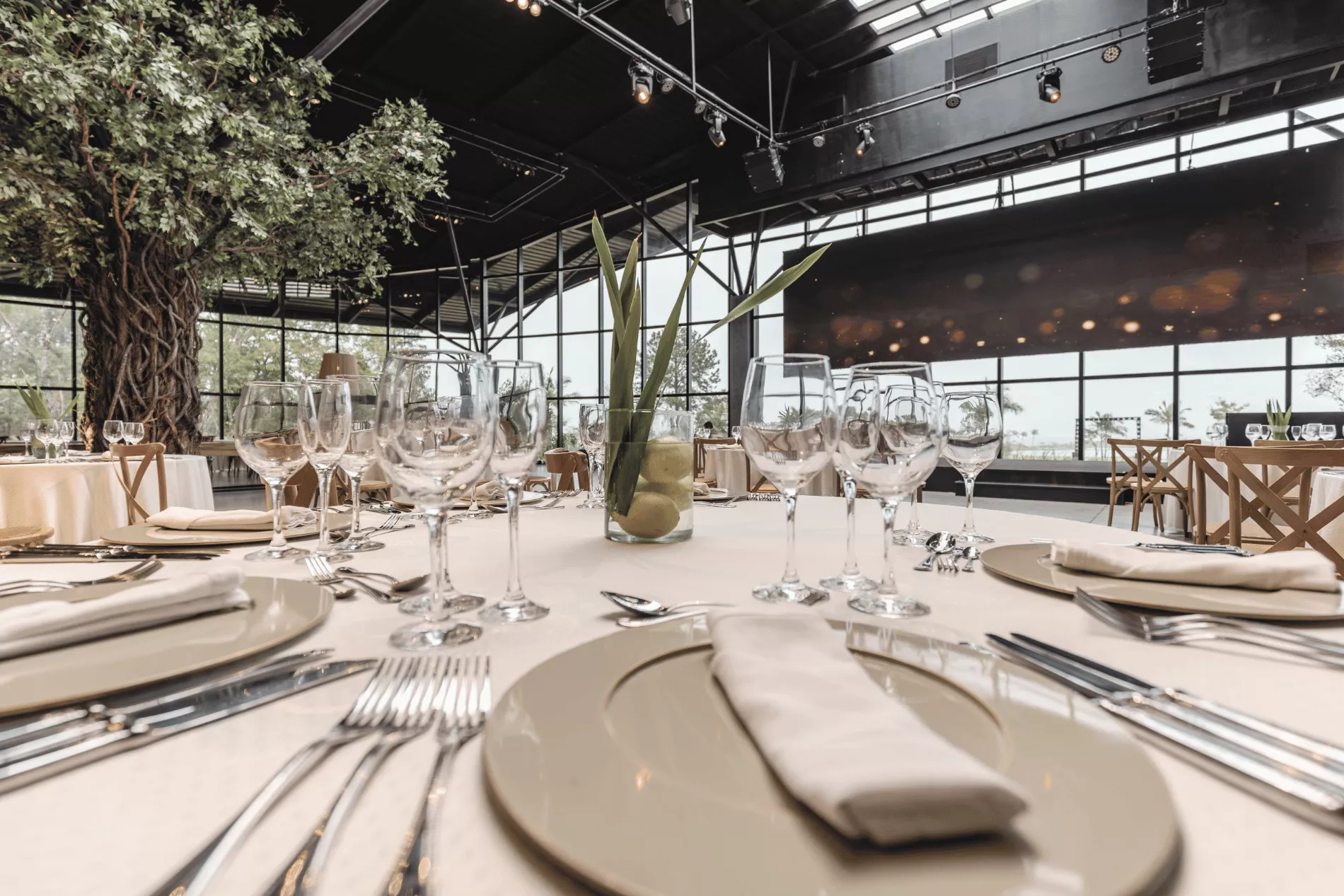
An offer for your event

Want an offer matched to the scale of your event?

Tell me about your event and I will reply with a short proposal and the scope of work

No spam, just a reply about your offer. Your message goes to kontakt@anitachabrowska.pl.

An offer for your event

Want an offer matched to the scale of your event?

Tell me about your event and I will reply with a short proposal and the scope of work

No spam, just a reply about your offer. Your message goes to kontakt@anitachabrowska.pl.

An offer for your event

Want an offer matched to the scale of your event?

Tell me about your event and I will reply with a short proposal and the scope of work

No spam, just a reply about your offer. Your message goes to kontakt@anitachabrowska.pl.